
It is approved.
It still is not built.

The Enterprise Problem
Why products never get built.
Nobody owns it
The product gets approved, presented again next quarter, and approved again. No single person owns getting it built, so it stays a slide.
Your good people are busy
The ones who could build it are the ones keeping the business running. Pulling them off costs more than the product is worth this quarter.
Permanent headcount
New products often require permanent full-time hires before the value is proven. That is expensive, especially when there is no direct revenue attached.
We are not just a dev shop.
Your CPO figures out what should be built. Your CTO makes sure it is built the right way. Your CIO handles the systems, security, and infrastructure behind it. And the development team comes with them.
Chief Product Officer
Chief Technology Officer
Chief Information Officer
One team. Senior leadership, product strategy, technology, infrastructure, and the developers to actually build it.
Going from Zero to 1
When it ends. You own it.
Product strategy, build and pilot run the same way for everyone. Here is how it ends for you.
Product strategy
Build
Pilot
The Handover Process
No permanent dependency on us.
Most partners are structured so you have to keep paying them to keep the product alive. The handover is the point of the engagement, not an afterthought at the end of it. If your team cannot run it without us, we have not finished.
Meet the team who takes you
from Zero to 1.

Rick Cabrera
FOUNDER
25 years launching products, from two-person startups to the Fortune 500. Five U.S. patents. Led product and technology work at Dell, Univision and Verizon.

Ritesh Patel
TECHNOLOGY
20 years building systems that hold up when they get big, and leading the engineers who build them. Has done it in startups and in large companies.
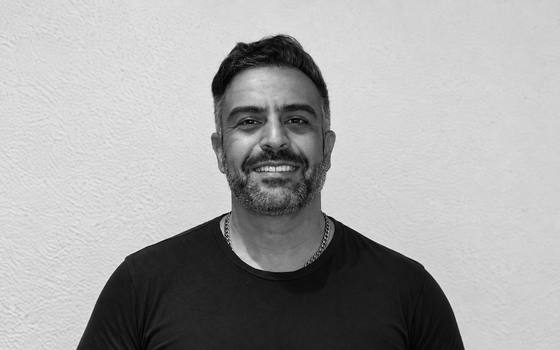
Ignacio Kassis
PRODUCT & TECHNOLOGY
Two decades building software and leading technical teams across the United States, Spain and Latin America. Founded and still runs Web Systems.
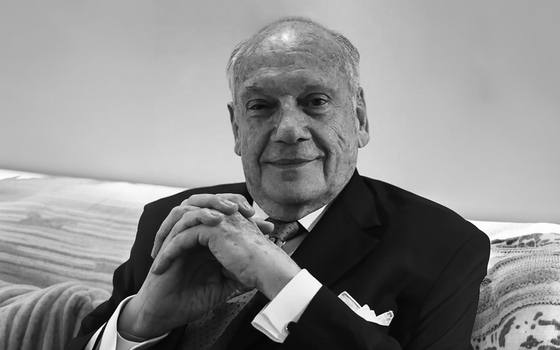
Dr. George Kastner
BUSINESS STRATEGY
Former President of Arthur D. Little Latin America. Decades running strategy and operations for global businesses. Teaches at the University of Miami.
Spend Your Funds Wisely
Nobody new on the payroll.
Hiring Full-Time Resources
$1.1M to $1.65M
What senior product and technology executives cost per year once you count salary, bonus and stock. That is before the four to six months it takes to find them, and before stock you cannot get back if it does not work out.
Hiring Zero to 1 Experts
From $10,000 a month
That is where it starts and everything is inside it: senior product and technology leadership, a project manager running delivery, and the engineers writing the code. Nothing is billed separately, and you can stop when the product no longer needs it.
For New Products
We have the team and track record to get your new product off the ground
For Stalled Roadmap Projects
We build the products stuck on your roadmap so you can continue growing
Fractional CTO for enterprise teams, answered.
Owns a product your existing organisation is not set up to build. A fractional CTO takes responsibility for the architecture and the delivery of one initiative, leads the software developers on it, and reports the way your internal leaders do. It is senior ownership without a permanent executive hire or a reorganisation.
An agency builds what your specification says. If the specification is wrong, you find out after the money is spent. We challenge the idea first, then build it, with a fractional CTO and a fractional product manager accountable for both halves. One team, one contract, one place the answer comes from.
Yes, and most of our enterprise work looks like that. Our fractional CTO and software developers plug into your process, your tooling and your release cycle rather than running a parallel one. Where your team owns a system, we integrate with it instead of rebuilding it.
Both. Over fifty senior software developers in Python, PHP, C# and .NET, JavaScript, TypeScript, React, Node.js, Swift and PostgreSQL, led by the same people who set the direction. You are not coordinating a leadership contract and a staffing contract and hoping they agree.
Decisions. A fractional product manager owns what gets built and what does not, which inside a large organisation is usually the thing nobody has the authority or the time to do. Products stall in enterprises far more often from unmade decisions than from missing engineering capacity.
A product budget. There is no requisition, no permanent salary and no long-term commitment to carry, which is usually the difference between a product being approved this quarter and waiting for the next planning cycle.
They are design inputs rather than a step at the end. Access, auditability, retention and data handling get decided before the build, which is what makes a security review survivable. Our Chief Information Officer owns that and answers your reviewers directly.
No, and the handover is the point. Support through launch, documentation, your team trained on it, and a plan for growing it. You own the product, the code and the decisions behind it. A partner who leaves you dependent has not finished the job.
Yes. One contract covers the fractional CTO, the fractional product manager and the software developers, which is simpler to get through procurement than several vendors doing pieces of the same product.
One conversation, usually with whoever owns the product and whoever owns the budget. We tell you what we would do, what it takes and what it costs. If we are not the right team for it, we will say so.